Not Every Project Can Be a Win

This story started many years ago when I had more hair, more kidneys, and more patience. I’ve always loved playing shooting games in the arcade; Police Trainer, Point Blank, and Time Crisis were always at the top of my list. Playing those games at home has been a dream of mine since I was a teenager in Southern California.

Home solutions exist that let you pair an original Sega gun or a Wiimote with emulators on an LCD TV. However, getting them to work is a real challenge, as you need adapters, drivers, additional software, and original, working hardware. Since original hardware can run as high as $250 on eBay, that was a no-go.

Then one day, a Kickstarter for the Sinden Light Gun appeared. It promised to be the solution to all our problems and was advertised as being plug-and-play while emulating a mouse. I immediately dropped the cash and became giddy with excitement.

After it arrived, I plugged it into my gaming PC and read the basic setup instructions. It was a mouse - a glorified mouse. Part of the setup required maxing out the mouse speed settings so there would be no lag as the gun (cursor) moved from target to target. It sort of worked, but any reflection or ambient light in the room would cause it to fail miserably. The main complaint from users was that lag and reflections rendered its basic functionality useless.

After that disappointment, the community began talking about Gun4IR. This looked promising, and it was just enough to get my hopes up again. I could build a gun with my 3D printer, do some basic wiring and programming, and even customize it to have a physical response after every shot. I got to work sourcing parts, printing, and installing IR LEDs around the edges of my TV.

Unsurprisingly, it was a pain in the ass to set up. Although it worked flawlessly in the Gun4IR calibration GUI, plugging it into my MiSTer was an endless, frustrating fight. I gave up, and it sat in a drawer for years.

Since I’m home for a month, the project was dusted off for another go. I even downloaded a pre-configured ISO with a Launchbox collection of light gun games built with the Gun4IR and Sinden in mind. This package included all the necessary drivers and software, supposedly making for an easy, out-of-the-box experience.

Lightgun

Long story short: It’s in the garbage. I’m done.

Between messing with Windows 11 nonsense and tweaking everything to the nth degree, the response is janky and full of lag. I managed to play a few rounds of Duck Hunt, but the gun makes you feel like you’re waiting for the cursor to catch up. It still feels like playing with a mouse. In fact, playing with a mouse would be much easier - that’s actually plug-and-play.

Maybe one day my childhood dream will come true.
Dehydrator

Instead of chips and other salty, unhealthy garbage to snack on, I fell in love with dehydrated fruits and Veggie Straws. They diet well and they’re a much better alternative to Doritos, Ruffles, or Pringles.

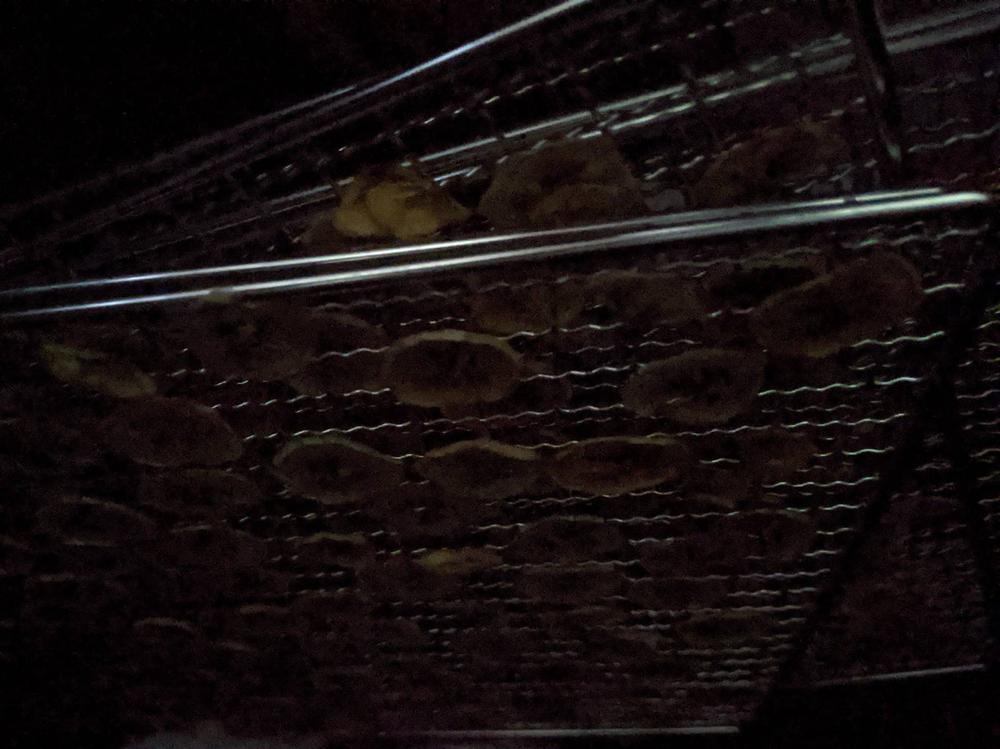
So there I was, thinking dehydrating would be a fun and interesting hobby to do at home. How wrong I was… Every time this thing comes out, it ends up being an insane amount of work that could very easily turn into a chaotic mess. This batch was ~5 bananas, thinly sliced, soaked in a lemon juice mixture, then carefully and evenly laid out onto the baking trays. The dehydrator was set to 135° and left alone for 12 hours.

12 hours comes and goes and the banana chips are still very gummy. I let it sit for another 12 hours and they’re still gummy. However, now they have the added quality of being permanently stuck to the trays.

This isn’t the first time I’ve used this dehydrator before. It’s been used for apple chips, basil, and beef jerky. Each and every time, they come out subpar at best. I officially declare that dehydrating stuff sucks and it’s not worth putting up with that horseshit. Trader Joe’s has a large bag of banana chips that are perfectly crisp and are only $6.

Living in California also leaves me with the added benefit of not being able to throw this away. Guess who’s not putting up with that either. This guy.

Dehydrator

Keychron Replacement Key

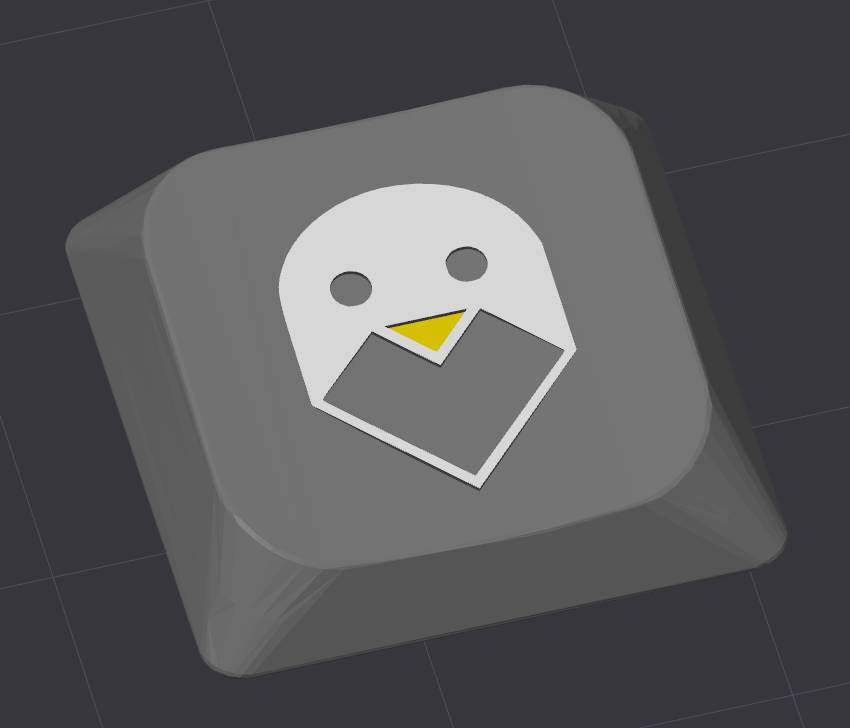
So I recently ordered a Keychron (open-source) keyboard. It’s much better after getting through some initial out-of-box issues, but the sad part is they only included a Mac / Windows key. The problem is that I don’t use Mac or Windows and want nothing to do with either of them. So, obviously designing a Linux based key with a minimalistic looking penguin was necessary. It was going to be printed in the same gray, but with a yellow penguin beak.

Keychron

The problem is that this particularly key I was editing, is for the regular letters and not the slightly larger Windows Key. Keychron has STL files for some of their keys, but they have so many keyboards, there’s seemingly no way they could provide all the source files.

Bummer.

Jelly Star Case

This site is dedicated to things that I have made, built, or random stuff that I think is worth sharing. Not everything turns out well, though. For every successful design, there are 2-3 that don’t quite work out as planned.

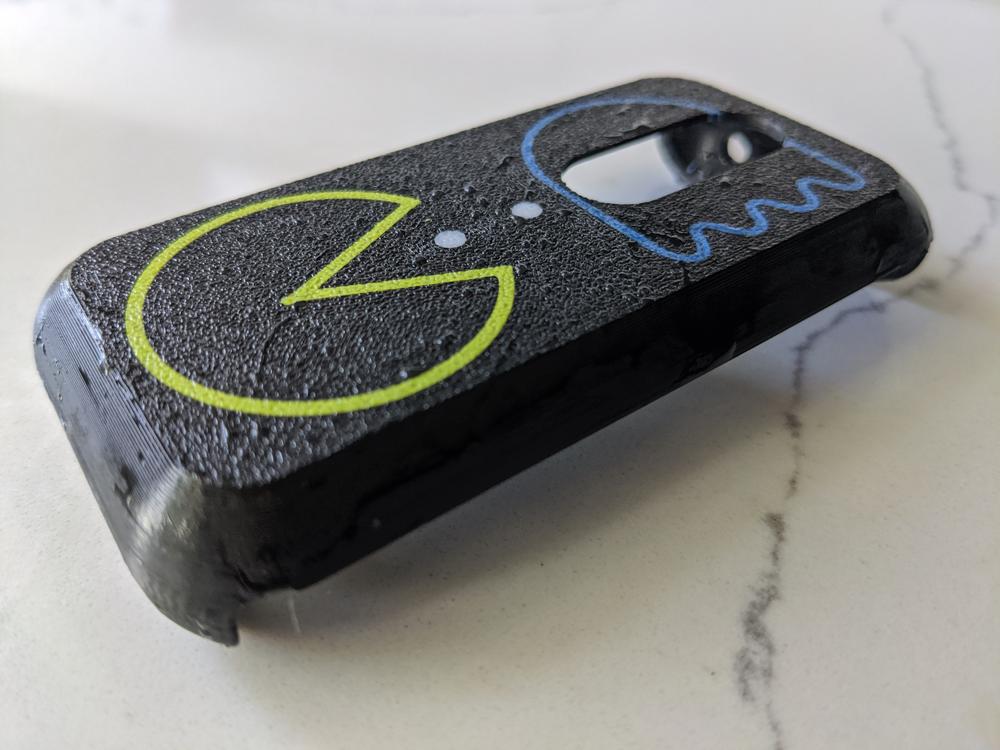
Yesterday, I was really excited to make a slim phone case for the tiny Jelly Star phone. It ended up being a fail, but I was really happy with the overall design. The case mimics its larger cousin, the Pixel 4 PacMan case, but is much smaller. The PacMan logos here, however, are the same files used in my neon wall lights.

Unfortunately, the case would need to be much more flexible to be a proper fit. Since TPU can’t be used in the Bambu AMS, nor do I want to put in the effort to do multiple colors, this project looks to be a no-go.

Jelly Star Case